Make any book a language-learning book
Parallel text is the oldest trick in language learning. Turn the books you actually want to read into bilingual editions.
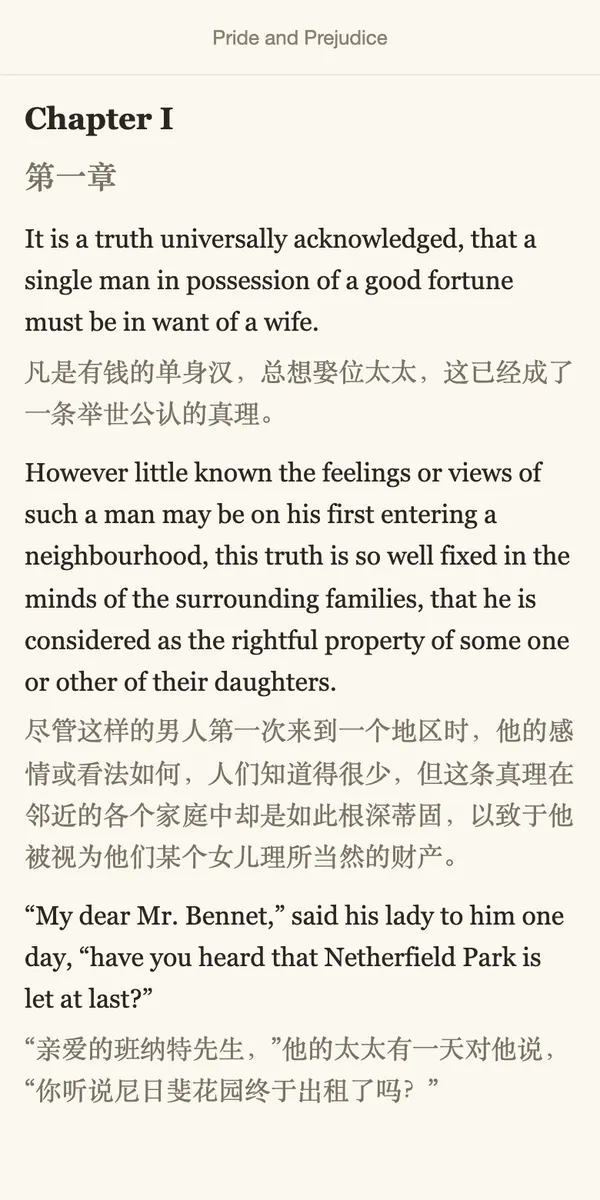
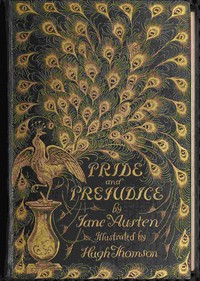
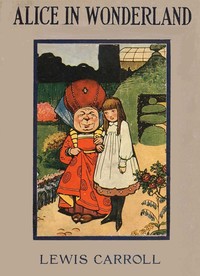
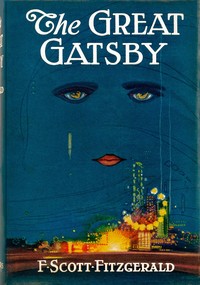
These files are the pipeline's real output. Download one and open it in Apple Books, Calibre or any ePub reader.
See it before you try it
Alice's Adventures in Wonderland — Lewis Carroll · Chapter 1, sample · English → Simplified Chinese
Alice was beginning to get very tired of sitting by her sister on the bank, and of having nothing to do: once or twice she had peeped into the book her sister was reading, but it had no pictures or conversations in it, “and what is the use of a book,” thought Alice “without pictures or conversations?”
爱丽丝开始感到非常厌倦,她坐在姐姐旁边的河岸上,无事可做:她曾一两次偷看姐姐正在读的书,但书中没有图画或对话,“一本书没有图画或对话有什么用呢?”爱丽丝想。
So she was considering in her own mind (as well as she could, for the hot day made her feel very sleepy and stupid), whether the pleasure of making a daisy-chain would be worth the trouble of getting up and picking the daisies, when suddenly a White Rabbit with pink eyes ran close by her.
于是她在心里琢磨着(尽管尽力思考,但炎热的天气让她昏昏欲睡,头脑迟钝),编一条雏菊花环的乐趣是否值得她费劲起身去采摘那些雏菊,就在这时,一只长着粉红色眼睛的白兔突然从她身边跑过。
There was nothing so very remarkable in that; nor did Alice think it so very much out of the way to hear the Rabbit say to itself, “Oh dear! Oh dear! I shall be late!” (when she thought it over afterwards, it occurred to her that she ought to have wondered at this, but at the time it all seemed quite natural); but when the Rabbit actually took a watch out of its waistcoat-pocket, and looked at it, and then hurried on, Alice started to her feet, for it flashed across her mind that she had never before seen a rabbit with either a waistcoat-pocket, or a watch to take out of it, and burning with curiosity, she ran across the field after it, and fortunately was just in time to see it pop down a large rabbit-hole under the hedge.
那也没什么非常奇怪的;爱丽丝也不觉得听到兔子自言自语“哦,亲爱的!哦,亲爱的!我要迟到了!”有什么太不寻常的(后来她回想起来,才觉得当时本应感到奇怪,但那时一切似乎都很自然);但当真兔子从它的背心口袋里掏出一块表,看了看,然后匆忙赶路时,爱丽丝一下子站了起来,因为她脑海里闪过一个念头:她以前从未见过兔子有背心口袋,或者有表可以掏出来。她充满好奇,追着它跑过田野,幸运的是,她正好赶上看见它跳进篱笆下的一个大兔子洞里。
Built for whole books
Names stay themselves
Before translating, we read through your book and build a glossary of people, places and special terms. Every request carries it, so “Mr. Darcy” is the same person on page 3 and page 300, and you can edit the glossary yourself.
Your book, not a rebuild
Translations are inserted into the original file, right after each paragraph. Chapters, images, footnotes, fonts and styles stay exactly where the publisher put them.
Every line editable
Disagree with a sentence? Click it, fix it, re-export. The built-in editor covers every paragraph and the glossary.
Impossible to lose work
Every finished batch is saved instantly. Close the tab, lose your connection or cancel, and the next run picks up exactly where it stopped.
A novel in minutes
Dozens of parallel requests with speed that adapts to the model. A full-length novel typically lands in 10–30 minutes.
Reads anywhere
The output is a standard ePub. If it reads books, it reads yours: Apple Books, Kindle via Send-to-Kindle, Calibre, KOReader.
How it works
Upload your ePub
We read every paragraph, pull the cover, and build a glossary of names and terms so the whole book is translated consistently.
We translate it
Paragraph by paragraph, dozens of requests in parallel. Watch live progress, or close the tab and come back later while it keeps going.
Download the bilingual book
Each translation sits right under its original paragraph. Edit anything you like, export, and read in any ePub reader.
Simple pricing
Per book
Pay once for the book you upload. As a guide, about $1 per 100,000 characters of plain English text, $2.99 minimum; Chinese or Japanese characters count about three times as much. The exact price is shown after upload, before you pay, and covers the whole translation.
Example: the full Project Gutenberg ePub of Pride and Prejudice, about 730,000 characters, is quoted at $7.37.
Monthly
For readers with a stack. Each paid month adds 6,000,000 credits. Credits are model tokens, the input plus output tokens of your translations. For scale, the full Pride and Prejudice is estimated at about 1.5 million credits; actual use is the real tokens spent. Renews every month until you cancel in Settings, and the plan stays active until the end of the paid month. Unused credits carry over. When credits run out, you can still buy any book on its own.
Questions, answered
Why parallel text?
You read the original, and glance down only when you're stuck. No app switching, no dictionary breaks. You stay inside the story while picking up the language.
Can I read it on my Kindle or phone?
Yes. The output is a standard ePub that works in any reading app. For Kindle, convert it with Calibre or Amazon's Send-to-Kindle.
Does the translation get in the way?
Translations are styled in a muted color under each paragraph, so the original stays visually primary. Your reader's font and theme settings apply to both.
Can I translate just to check my understanding?
The bilingual edition is exactly that. You always see the original first, with the translation as a check right below it.