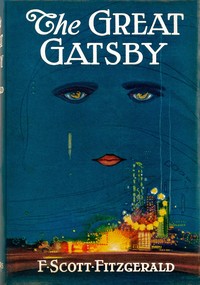
第 1 章样章 · 英文 → 简体中文
The Great Gatsby
In my younger and more vulnerable years my father gave me some advice that I’ve been turning over in my mind ever since.
在我更年轻、更易受影响的岁月里,父亲给我的建议,我至今仍反复思索。
“Whenever you feel like criticizing anyone,” he told me, “just remember that all the people in this world haven’t had the advantages that you’ve had.”
他说:“每当你想要批评任何人的时候,你就记住,这个世界上所有的人,并不是个个都有过你拥有的那些优越条件。”
He didn’t say any more, but we’ve always been unusually communicative in a reserved way, and I understood that he meant a great deal more than that. In consequence, I’m inclined to reserve all judgements, a habit that has opened up many curious natures to me and also made me the victim of not a few veteran bores. The abnormal mind is quick to detect and attach itself to this quality when it appears in a normal person, and so it came about that in college I was unjustly accused of being a politician, because I was privy to the secret griefs of wild, unknown men. Most of the confidences were unsought—frequently I have feigned sleep, preoccupation, or a hostile levity when I realized by some unmistakable sign that an intimate revelation was quivering on the horizon; for the intimate revelations of young men, or at least the terms in which they express them, are usually plagiaristic and marred by obvious suppressions. Reserving judgements is a matter of infinite hope. I am still a little afraid of missing something if I forget that, as my father snobbishly suggested, and I snobbishly repeat, a sense of the fundamental decencies is parcelled out unequally at birth.
他没有再多说,但我们之间虽然含蓄,却一向交流得特别透彻。我明白他话里有更深的意思。因此,我倾向于不轻易评判别人,这个习惯让我见识了许多稀奇古怪的性格,也让我成了不少老套烦人者的受害者。异常的心灵一旦在正常人身上发现这种特质,就会迅速抓住它并依附上去,所以大学时我被人不公正地指责为政客,因为我知晓那些陌生、狂野之人的秘密悲伤。大部分信任都不是我主动求来的——当我察觉到某种明显的信号,预示着即将有亲密告白时,我常常假装睡着、心不在焉,或是故意显出轻浮的敌意;因为年轻人的亲密表白,或者说他们表达这些的方式,通常是抄袭来的,并且被明显的隐瞒所破坏。不做评判是无限的希望。我仍然有点害怕,如果忘记这一点,就会错过什么;正如我父亲势利地暗示的那样,而我正势利地重复着——基本的公义感是出生时就不平等分配的。
And, after boasting this way of my tolerance, I come to the admission that it has a limit. Conduct may be founded on the hard rock or the wet marshes, but after a certain point I don’t care what it’s founded on. When I came back from the East last autumn I felt that I wanted the world to be in uniform and at a sort of moral attention forever; I wanted no more riotous excursions with privileged glimpses into the human heart. Only Gatsby, the man who gives his name to this book, was exempt from my reaction—Gatsby, who represented everything for which I have an unaffected scorn. If personality is an unbroken series of successful gestures, then there was something gorgeous about him, some heightened sensitivity to the promises of life, as if he were related to one of those intricate machines that register earthquakes ten thousand miles away. This responsiveness had nothing to do with that flabby impressionability which is dignified under the name of the “creative temperament”—it was an extraordinary gift for hope, a romantic readiness such as I have never found in any other person and which it is not likely I shall ever find again. No—Gatsby turned out all right at the end; it is what preyed on Gatsby, what foul dust floated in the wake of his dreams that temporarily closed out my interest in the abortive sorrows and short-winded elations of men.
而且,在这样吹嘘了我的宽容之后,我得承认它也有个限度。人的行为可能建立在坚硬的岩石上,也可能建立在潮湿的沼泽中,但过了某一点,我就不在乎它建立在什么之上了。去年秋天我从东部回来时,我觉得我希望全世界都穿上制服,永远处于一种道德上的立正状态;我不再想要那些放纵的漫游,去窥探人心的特权。只有盖茨比——这个以他的名字命名本书的人——不在我这种反应之列——盖茨比,他代表了我毫无做作地蔑视的一切。如果个性是一系列连续不断的成功姿态,那么他身上确实有某种华丽的东西,某种对生活承诺的高度敏感,仿佛他联系着那些能记录一万英里外地震的精密仪器。这种敏锐与那种被冠以“创造性气质”之名的软弱易感性毫无关系——它是一种非凡的希望天赋,一种浪漫的随时准备,这种品质我在任何其他人身上都没有找到过,而且很可能永远不会再找到。不——盖茨比到头来还是挺好的;是那些吞噬盖茨比的东西,那些在他梦境尾迹中漂浮的肮脏尘埃,暂时打消了我对人类那些徒劳的悲伤和短暂的欢欣的兴趣。
My family have been prominent, well-to-do people in this Middle Western city for three generations. The Carraways are something of a clan, and we have a tradition that we’re descended from the Dukes of Buccleuch, but the actual founder of my line was my grandfather’s brother, who came here in fifty-one, sent a substitute to the Civil War, and started the wholesale hardware business that my father carries on today.
我的家族在这座中西部城市已经是三代显赫、富裕的人了。卡拉威家族算得上一个氏族,我们有个传统,说我们是巴克尔公爵的后裔,但我的直系祖先其实是我祖父的兄弟,他在五一年来到这里,在内战中雇了替身,开办了批发五金生意,如今由我父亲继续经营。
I never saw this great-uncle, but I’m supposed to look like him—with special reference to the rather hard-boiled painting that hangs in father’s office. I graduated from New Haven in 1915, just a quarter of a century after my father, and a little later I participated in that delayed Teutonic migration known as the Great War. I enjoyed the counter-raid so thoroughly that I came back restless. Instead of being the warm centre of the world, the Middle West now seemed like the ragged edge of the universe—so I decided to go East and learn the bond business. Everybody I knew was in the bond business, so I supposed it could support one more single man. All my aunts and uncles talked it over as if they were choosing a prep school for me, and finally said, “Why—ye-es,” with very grave, hesitant faces. Father agreed to finance me for a year, and after various delays I came East, permanently, I thought, in the spring of twenty-two.
我从未见过这位叔公,但我据说长得很像他——尤其是对照父亲办公室里挂着的那幅略显冷峻的画像。我于1915年从纽黑文毕业,正好比父亲晚了四分之一个世纪,不久之后,我参加了那场被称为第一次世界大战的迟来的条顿民族大迁徙。我如此彻底地享受那场反击战,以至于回来后变得坐立不安。中西部不再是世界的温暖中心,反而像是宇宙的破败边缘——于是我决定去东部学习债券业。我认识的人都在做债券生意,所以我想这行业还能再养活一个单身汉。我的所有姨妈和叔叔们讨论这件事,仿佛是在为我挑选一所预科学校,最后他们带着极其严肃、犹豫的表情说:“嗯——好吧。”父亲同意资助我一年,经过各种耽搁,我在二十二年的春天来到了东部,我以为这次是永久定居了。
The practical thing was to find rooms in the city, but it was a warm season, and I had just left a country of wide lawns and friendly trees, so when a young man at the office suggested that we take a house together in a commuting town, it sounded like a great idea. He found the house, a weather-beaten cardboard bungalow at eighty a month, but at the last minute the firm ordered him to Washington, and I went out to the country alone. I had a dog—at least I had him for a few days until he ran away—and an old Dodge and a Finnish woman, who made my bed and cooked breakfast and muttered Finnish wisdom to herself over the electric stove.
实际的办法是在城里找房子,但那时正值温暖的季节,而我刚离开一个拥有宽阔草坪和友好树木的乡村,所以当办公室的一个年轻人提议我们一起在通勤小镇合租一栋房子时,听起来是个好主意。他找到了房子,一栋风吹日晒的纸板平房,月租八十美元,但最后一刻公司派他去华盛顿,我便独自去了乡下。我有一条狗——至少我养了它几天,直到它跑掉了——还有一辆旧道奇车和一个芬兰女佣,她为我铺床、做早餐,并在电炉旁自言自语地用芬兰语念叨着智慧。
It was lonely for a day or so until one morning some man, more recently arrived than I, stopped me on the road.
起初一两天有点孤单,直到一天早上,一个比我晚到的人在路上拦住了我。
你的书读起来就是这样,永远先看到原文,译文紧随其下。